
Cum trăiesc frumos - Independent Article

Family Holidays: Balancing Togetherness and Personal Space

Casă & Lifestyle
beauty.ON
5 min read
Vacanța în familie între apropiere și nevoia de spațiu

It's not the destination that makes a great holiday, but the people we share it with

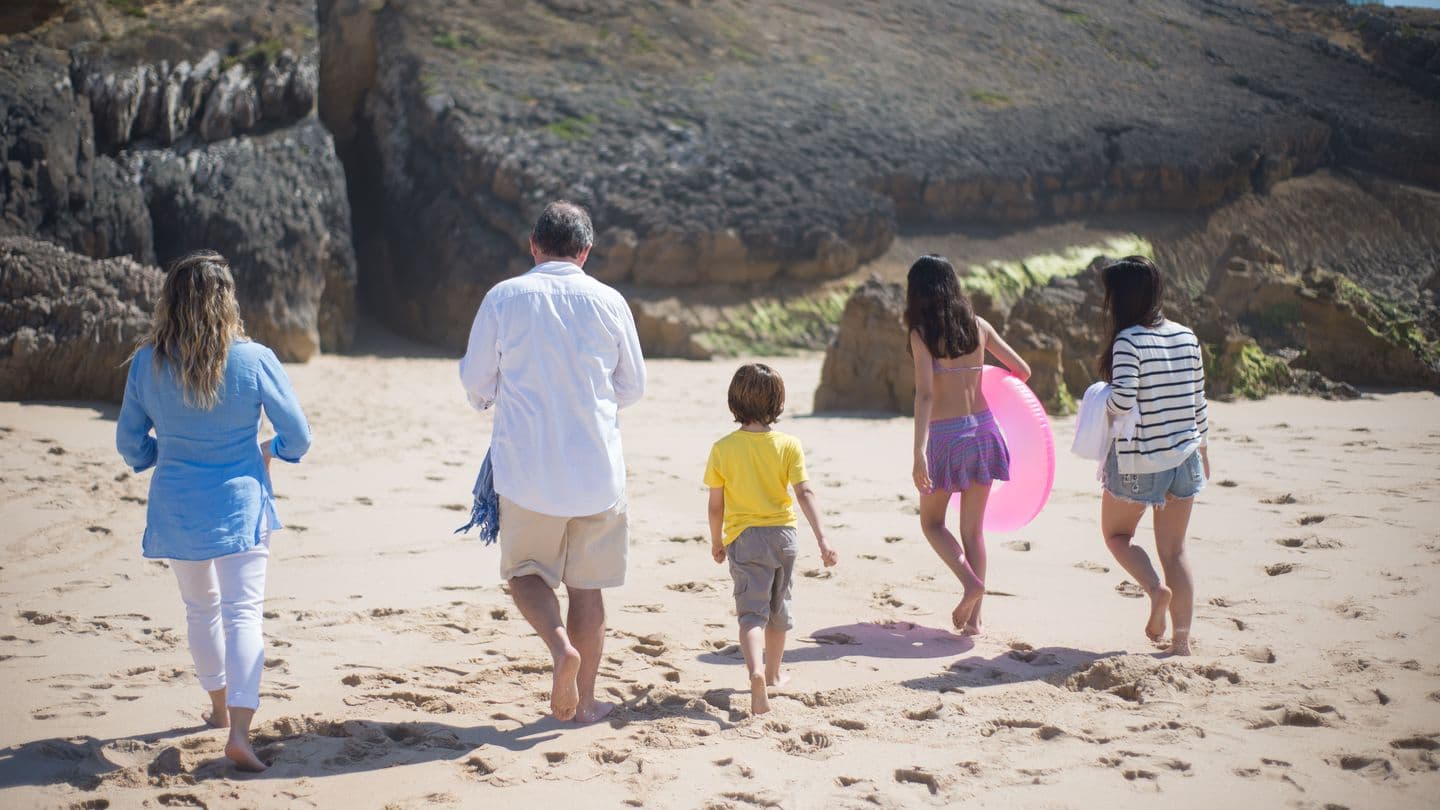
A family holiday is often seen as a much-needed escape from everyday routine and a chance to discover new experiences together. Yet whether a trip like this works doesn’t depend only on the destination or the number of activities planned, but above all on the quality of the interactions between family members.

For a holiday to be genuinely restorative, it can help to step out of the role of ‘programme manager’ and become an attentive observer of everyone else’s needs. Each family member has their own rhythm and may need both moments of connection and time to themselves.

In short: a family holiday works best when it isn’t over-planned. Give children simple choices, share the organising between the adults, let siblings have their own space, agree in advance what help grandparents want to give, and balance time together with time apart. Changing plans doesn’t mean the holiday has failed.

Parents and children: from control to collaboration

One common pitfall of family holidays is the tendency to over-plan free time. The wish to make the most of every day can turn the holiday into a string of goals and activities that leave everyone exhausted.

Flexibility can change this dynamic considerably. Instead of a rigid schedule, children can be involved in some decisions by being offered two or three age-appropriate options. When they’re given a choice, they feel listened to and join in shared activities more readily.

At the same time, a holiday can be a chance to let go of the standards of ‘perfection’ we keep at home. If a day of sightseeing is swapped for a quiet one by the pool because everyone is tired, changing the plan doesn’t mean the holiday has failed. On the contrary, it can be a healthy response to how the family is feeling and what it needs.

How responsibilities are shared between the adults matters too. If one person plans the itinerary, does the packing, keeps track of meals and deals with every unexpected hitch, the holiday may become nothing more than a continuation of their everyday responsibilities in a different setting. Talking about the plan, the budget and who does what before you leave can reduce tension and unrealistic expectations.

Siblings: space as a form of respect

Squabbles between siblings can become more frequent when they spend a lot of time together and share the same space for several days. The aim, though, isn’t permanent harmony, but a setting in which their differences can be expressed and worked through.

One child may prefer physical activities, while another wants to read, play or simply spend time at their own pace. The family can agree on a few shared moments each day, without every activity becoming compulsory for everyone.

In everyday disagreements, parents can avoid immediately deciding who’s right and instead help children say what’s bothering them and what they need. When important boundaries are crossed or aggressive behaviour appears, a clear intervention from an adult is still necessary. Personal space doesn’t mean a lack of involvement; it means recognising that closeness works better when it isn’t constantly imposed.

Grandparents and grandchildren: bridges between generations

A holiday spent with grandparents can create valuable opportunities for connection between generations, provided everyone’s rhythm, limits and expectations are discussed and respected.

Before you leave, it helps for the adults to clarify who will look after the children, which rules matter to the parents and how much help the grandparents can, or want to, give. Their presence shouldn’t automatically mean permanent responsibility for the grandchildren, nor an obligation to take part in all the family’s activities.

For grandparents and grandchildren, closeness can grow through simple moments suited to each person’s energy and interests: cooking a family recipe, board games, walks, stories or exploring new places at an unhurried pace. Experiences like these can become treasured memories precisely because they leave room for conversation and genuine presence.

At the same time, children’s routines around meals, sleep or health should be respected where necessary. Balance doesn’t mean abandoning the rules, but finding a way of applying them that doesn’t turn every day into a source of tension.

Together, but not all the time

A family holiday doesn’t mean everyone has to do everything together from morning till night. Being there for one another isn’t the same as always being in the same place.

Moments when each person can withdraw, rest or do something they enjoy can protect relationships, especially when rhythms and preferences differ. Compromise comes more easily when it isn’t seen as one person giving way, but as a way for everyone’s needs to find a place in the shared experience.

A successful holiday isn’t necessarily one without tiredness, changes of plan or the odd row. It’s one in which these moments don’t come to dominate the whole experience. When family members feel listened to, responsibilities are shared and time together alternates naturally with time apart, a holiday can become what we want it to be: a real break and a genuine opportunity to grow closer.

frequently asked questions

Frequently asked questions
How do you avoid stress on a family holiday?
Don’t over-plan, involve children by offering two or three age-appropriate choices, share the organising between the adults and agree the plan, budget and responsibilities before you leave.
How should parents handle sibling arguments on holiday?
In everyday disagreements, help children say what’s bothering them and what they need rather than deciding immediately who’s right. Step in clearly if important boundaries are crossed or behaviour becomes aggressive.
What should you agree before going on holiday with grandparents?
Who will look after the children, which rules matter to the parents, and how much help the grandparents can, or want to, give.