
Cum trăiesc frumos - Independent Article

The Home That Makes Us Feel Good

Casă & Lifestyle
beauty.ON
4 min read
Cum ne influențează spațiul în care trăim

How the space we live in shapes the way we feel

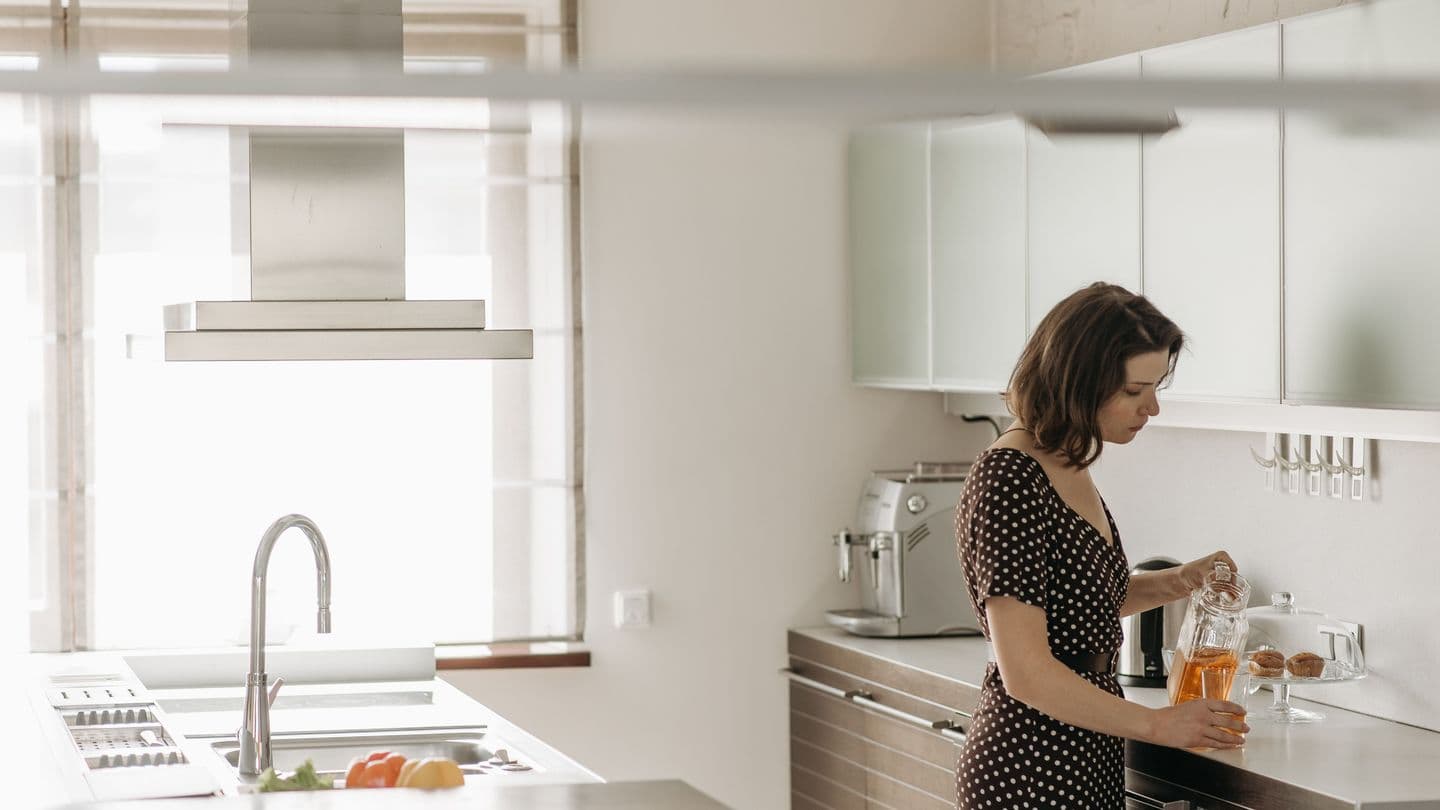
When we think about a home, we first notice what we can see: the furniture, the colours, the light, the objects and how tidy it is. But a home is more than décor. It’s where we wake up, work, rest and retreat from the bustle of the day. The way it’s arranged can quietly influence our mood, our attention and our habits.

A home doesn’t need to be large or perfectly designed to do us good. Sometimes the difference comes from simple tweaks that require neither a renovation nor anything new. What matters most is whether the space fits the life we actually lead and makes the things we need to do a little easier.

In short: your home can quietly shape your mood, focus and habits. Make the most of natural light during the day and soften the lighting in the evening; keep on show only what you use; arrange your space so good habits are easy to start; and let it look lived-in rather than perfect.

Light and the rhythm of the day

Light changes the atmosphere of a room, but its role isn’t purely aesthetic. Natural daylight supports the body’s natural rhythm, while dimming the lights in the evening can signal that it’s time to wind down.

We can’t always control which way our home faces or the size of the windows. But we can clear the space in front of them, move our workspace closer to natural light and choose softer lighting in the evening. They’re small changes, but they can transform how we use the same room over the course of a day.

Clutter and calm

A tidy home isn’t one where everything has to stay in its place all the time. It’s more about a space that doesn’t constantly demand our attention. For some people, a cluttered worktop, a crowded desk or too many things on display can heighten a sense of chaos. For others, the same scene can feel perfectly natural and comfortable.

That’s why there’s no universal formula. What matters is noticing how we feel in our own home. If a particular area feels visually tiring, the answer isn’t necessarily a new storage system. Sometimes it’s enough to keep only the things we use on display and let go of what no longer serves us.

A space that supports your habits

Your home can make a habit easier or harder to keep. An armchair next to a lamp, with a book within reach, can encourage reading. A clear work surface can cut the time it takes to get started on something. In the bedroom, removing things associated with work can help mark the end of the day.

Here, too, there’s no need for rigid rules. In many homes, one room does several jobs. The living room may double as an office, and the table may serve for both dinner and work. Even then, a few simple cues can mark the switch: closing the laptop, clearing the table, turning on a different light or gathering your work things in one place.

In this way, the space doesn’t dictate our behaviour, but it can support it. When the things we want to do are easy to start, there are fewer obstacles between intention and action.

A home that looks lived-in

Perhaps most importantly, caring for our home shouldn’t become a new form of perfectionism. A home doesn’t need to look like a magazine shoot to feel welcoming. There might be a book left on the table, a coffee mug or a throw on the sofa. These traces of life don’t cancel out order. They give a space personality and meaning.

A good home isn’t necessarily the most beautiful one. It’s one where things make sense, the space doesn’t overwhelm us, and we can feel like ourselves.

Because a home isn’t just the backdrop to our lives. It’s one of the places where life happens.

frequently asked questions

Frequently asked questions
How does natural light affect your mood at home?
Daylight supports the body’s natural rhythm, while softer light in the evening helps signal that it’s time to wind down. Clearing the space by the windows and working near natural light can help.
Do you need to declutter to feel calmer at home?
Not necessarily. There’s no universal formula: notice which areas feel visually tiring, keep on show only what you use and let go of what no longer serves you.
How can a small home support good habits?
Use simple cues to mark each activity – close the laptop, clear the table, switch on a different light – and keep the things you want to do easy to start.